Balance Guide

Meal Balance Guide

A lifestyle-oriented overview of how to structure daily meals with natural variety, practical rhythms, and realistic flexibility — without overcomplicating things.

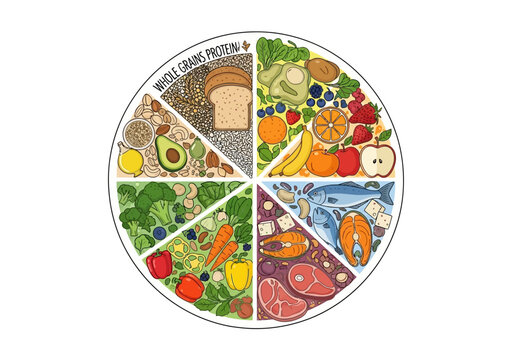
Circular diagram representing the distribution of meal types across a balanced daily eating structure
What Balance Means Here

Balance Made Simple

Meal balance is not about following strict rules or hitting precise targets. It is about creating a natural rhythm across your day and week — one where different food types appear regularly, meals feel satisfying, and the overall pattern is manageable.

A balanced week includes a variety of meal types distributed naturally across mornings, middays, and evenings. It leaves room for preferences, schedule changes, and the simple reality that some days are easier than others.

3
Meal moments
per day
7
Days of
structure
1
Flexible
system
Daily Structure

The Shape of a Balanced Day

A well-structured day has a natural progression from lighter morning meals through a satisfying midday to a grounding evening meal. Here is one way to think about it.

Morning

Starting the Day

Something warm or gently nourishing
Grains, dairy, eggs, or fruit as a base
Keep preparation simple and repeatable
Varies by day's demands and season
Midday

Midday Fuel

The most varied meal of the day
Good place to use grains and legumes
Can be leftovers from the previous evening
Quick preparation options work well here
Evening

Evening Meal

The anchor of most weekly plans
Warm, cooked meals feel grounding
Design to produce next-day leftovers
Keep Fridays and weekends flexible
Variety Across the Week

How to Vary Meals Naturally

Variety does not require planning something different every single day. These four principles help create a sense of diversity without adding complexity.

Rotate Cooking Methods

The same vegetables feel entirely different when roasted, steamed, stir-fried, or served raw in a salad. Rotating cooking methods is often simpler than finding new ingredients entirely.

Vary the Flavor Direction

Think of meals as having a flavor direction — Mediterranean, East Asian, Middle Eastern, South Asian. A loose weekly rotation of flavor profiles creates natural variety with minimal effort.

Mix Warm and Cool Meals

A week with only hot cooked meals or only salads quickly becomes monotonous. Alternating between warm and cooler preparations keeps eating interesting without adding planning load.

Alternate Protein Sources

Simply rotating between eggs, legumes, fish, tofu, and other protein sources across the week creates meaningful variety in both taste and texture without requiring a complex planning system.

Flexible Adaptation

Adapting Without Stress

A good plan bends with real life. These strategies help you stay organized even when your week does not go as expected.

Shift, Do Not Abandon

When a planned meal does not happen, simply move it to another day rather than dropping it entirely. A shifted plan is still a plan — and it keeps your overall structure intact.

Maintain a Fallback Shortlist

Keep four to six reliably simple meal options that require minimal ingredients or preparation. On difficult days, choosing from this list removes the effort of deciding from scratch.

Build in Free Days

Intentionally leaving one or two days in your weekly plan without assigned meals gives you natural breathing room. This makes the rest of the plan feel less rigid and more sustainable.

Reuse and Repurpose

Planning meals that share base ingredients — a cooked grain, roasted vegetables, or a prepared sauce — makes it easy to create different-feeling meals from the same weekly preparation.

Review Weekly, Not Daily

Checking and adjusting your plan once at the start of the week — rather than every morning — reduces mental load significantly and keeps the overall structure visible at a glance.

Lower the Bar for Busy Days

A good weekly plan accounts for the reality that some days will be busy. Pre-acknowledging these days and assigning simpler meals in advance prevents the plan from breaking down entirely.

Put the Guide Into Practice

Use the Weekly Menu Builder to apply these balance principles to your actual week.

Informational Notice

All materials and practices presented on this site are educational and informational in nature and are intended to support general wellbeing. They do not constitute medical diagnosis, treatment, or recommendation. Before applying any practice, particularly if you have chronic conditions, please consult a qualified practitioner.