Structuring Meals Across the Week
Organize your meals into a clear, repeatable weekly pattern. A structured layout helps you prepare ahead and reduces daily decision-making without feeling rigid or mechanical.
Create simple, flexible weekly meal structures that fit naturally into your everyday routine — no complicated rules, no pressure, just calm and practical planning.
Every weekly routine is different. These three directions help you find the approach that fits your life right now.
Organize your meals into a clear, repeatable weekly pattern. A structured layout helps you prepare ahead and reduces daily decision-making without feeling rigid or mechanical.
Rotate meal types naturally throughout the week. A little variety across breakfast, lunch, and dinner keeps things fresh and prevents the feeling of repetitive, uninspired eating.
Life rarely follows a strict plan. A well-designed weekly menu adapts — swapping meals, shifting days, and accommodating the unexpected without falling apart completely.
Select the option that best describes your current approach to weekly meal planning.
The best first step is simply choosing two or three meals to plan in advance for the coming week. You do not need a full system immediately. Begin with a single meal type — perhaps dinners — and build familiarity before expanding. Our Weekly Menu Builder provides a gentle starting structure.
The gap between planning and not planning usually comes down to a lack of structure — not motivation. Try anchoring your week around two or three fixed meal patterns, then fill in the rest loosely. Visit the Meal Balance Guide for ideas on building reliable, repeatable meal structures.
You already have a foundation — the next step is adding flexibility to your existing structure. Think about which meal slots feel unpredictable and introduce a small rotation system there. The Weekly Menu Builder can help you spot patterns and fill gaps with ease.
A balanced planning routine is something worth maintaining thoughtfully. Seasonal shifts, schedule changes, and new preferences all call for occasional adjustments. Explore the Meal Balance Guide for strategies on keeping your approach fresh and sustainable.
Building a weekly meal structure does not have to be complicated. These three steps give you a practical starting point.
Decide how far ahead you want to plan — a full week, a few days, or just the upcoming evenings. Even a short horizon creates a useful structure to work within.
Think in broad categories rather than specific recipes — grains, vegetables, proteins, soups. Category-based planning gives you flexibility while maintaining a balanced overall pattern.
Assign categories to days and meal slots, leaving some days deliberately flexible. A good weekly structure feels like a helpful guide — not a fixed obligation.
Two focused resources to help you build and maintain a weekly meal structure that works for your life.
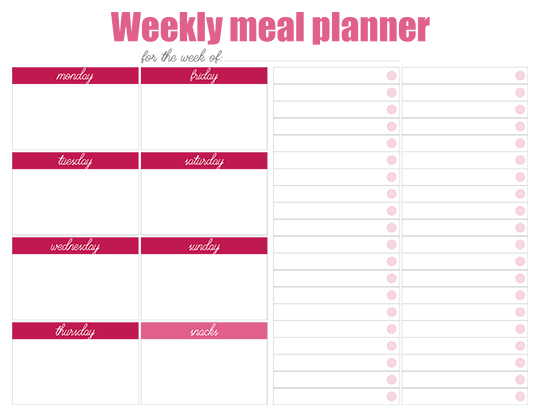
A structured visual layout for planning seven days of meals across breakfast, lunch, and dinner. See your full week at a glance and spot gaps before they happen.
Explore the builderUnderstand how to distribute different meal types across your week naturally. Practical strategies for maintaining variety and flexibility without adding complexity.
Read the guideEverything on this site is built around a few simple ideas about what practical meal planning actually looks like.
A simple plan that you follow loosely is more valuable than a perfect plan that never gets used. Keep structures light and easy to adjust.
The ability to change your plan without abandoning it entirely is a sign of a well-designed system, not a failure of discipline.
Planning tools should reduce the time you spend thinking about food, not add to it. Every feature here is designed to be quick to use.
Rotating your meals naturally across the week adds interest without requiring elaborate effort or a complete overhaul of your routine.
The week is a natural organizing unit for everyday life. Building meal patterns around it creates a familiar, manageable rhythm.
Where you are now is a perfectly valid starting point. This site meets you there and offers practical next steps, not ideal-world solutions.
All materials and practices presented on this site are educational and informational in nature and are intended to support general wellbeing. They do not constitute medical diagnosis, treatment, or recommendation. Before applying any practice, particularly if you have chronic conditions, please consult a qualified practitioner.
Take the first step toward a calmer, more organized weekly routine. Our tools are here whenever you need them.